

Loading article...
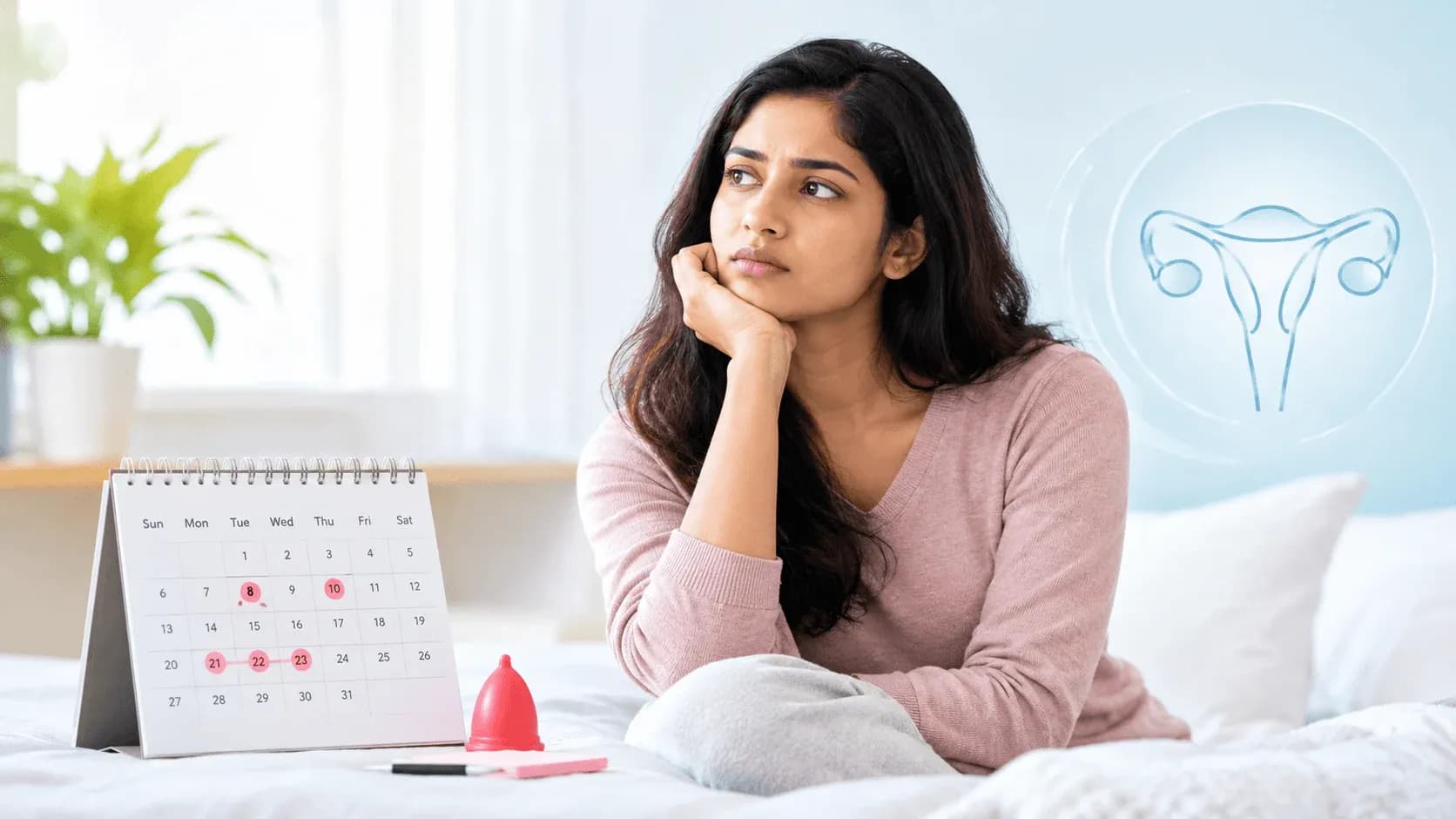
A menstrual cycle is often described as a vital sign of overall health, and for good reason. When periods start arriving early, late, or skip months altogether, it can feel confusing and worrying. Irregular periods are one of the most common reasons women visit a gynaecologist, yet many still wonder whether their experience is normal or a sign of something that needs attention.
This guide breaks down what counts as an irregular menstrual cycle, the most frequent causes behind it, and the point at which a proper medical evaluation becomes necessary.
A typical menstrual cycle ranges from 21 to 35 days, with bleeding usually lasting between two and seven days. A cycle is generally considered irregular when it consistently falls outside this range, when the gap between periods changes significantly month to month, or when bleeding is unusually heavy, light, or prolonged.
Occasional variation is common and does not always signal a problem. In fact, one study on menstrual patterns among young women found that even in a group with generally regular cycles, a meaningful share still experienced heavy menstrual bleeding as part of an otherwise normal pattern, which shows how wide the range of normal really is.
Menstrual cycle irregularities can stem from a wide range of causes, spanning hormonal, lifestyle, and medical factors. Identifying the underlying reason is the first step toward effective treatment.
The menstrual cycle is controlled by a delicate balance of hormones including estrogen, progesterone, and luteinizing hormone. Even a small disruption in this balance can delay ovulation or prevent it altogether, leading to irregular or missed periods. Hormonal imbalance and irregular periods often go hand in hand during the first few years after a girl's first period and again in the years leading up to menopause.
Polycystic ovary syndrome is one of the leading causes of menstrual irregularity in women of reproductive age. Research describes PCOS as the most common endocrine disorder among women, with irregular menses or a lack of ovulation as one of its defining features. Women with PCOS often also experience excess hair growth, acne, and weight gain alongside their irregular cycle.
The thyroid gland plays a direct role in regulating reproductive hormones. Both an underactive and overactive thyroid can throw off ovulation and menstrual timing. Studies have found that hypothyroidism can lead to heavy or irregular menstrual bleeding, spotting, and ovulation disorders, while thyroid dysfunction is also found at a notably higher rate among women already diagnosed with PCOS.
High stress levels, sudden weight changes, excessive exercise, and poor sleep can all interfere with the hormonal signals that regulate ovulation. The body treats significant physical or emotional stress as a signal to delay reproduction, which can cause periods to become irregular or stop temporarily.
As women approach menopause, typically in their forties, hormone levels begin to fluctuate more unpredictably. This transitional phase, known as perimenopause, commonly causes cycles to shorten, lengthen, or become unpredictable in flow before periods stop completely.
Structural issues such as fibroids, polyps, or endometriosis can cause irregular bleeding patterns, spotting between periods, or unusually heavy flow. These conditions often require imaging or a physical examination to diagnose accurately.
Starting, stopping, or switching hormonal birth control can temporarily disrupt cycle regularity. Certain other medications, including some antidepressants and blood thinners, can also affect menstrual timing and flow.
Irregular periods in women can look quite different depending on age and life stage.
Occasional irregularity, especially during puberty, after childbirth, or while breastfeeding, is usually considered normal and tends to resolve on its own. However, ongoing or worsening irregularity is the body's way of signalling that something deeper may be going on, whether that is a hormonal imbalance, a thyroid issue, or a structural condition that needs medical attention.
A gynaecologist typically starts with a detailed menstrual history and physical examination before moving to targeted testing.
Treatment is then tailored to the underlying cause rather than applied as a one-size-fits-all approach.
Most women can safely monitor mild or occasional cycle changes on their own, but certain signs call for a professional evaluation without delay.
At SP Fort Hospital, the gynaecology team combines clinical examination with hormonal and imaging tests to identify the exact cause of irregular periods, rather than treating the symptom alone.
Irregular periods can stem from something as temporary as stress or as significant as a hormonal condition like PCOS or a thyroid disorder. While occasional variation is usually nothing to worry about, persistent or unusual changes in your cycle deserve a closer look.
If your periods have become unpredictable, unusually heavy, or have stopped without explanation, do not wait to get answers. Schedule a consultation with the gynaecology specialists at SP Fort Hospital for a complete evaluation and a treatment plan designed around your specific hormonal health. If you are looking for the best gynecology hospital in Trivandrum, SP Fort Hospital offers specialist care to help you understand and manage menstrual health concerns.
Why are my periods irregular?
Irregular periods can be caused by hormonal imbalance, PCOS, thyroid disorders, stress, significant weight changes, perimenopause, or underlying uterine conditions such as fibroids.
What causes irregular periods in women?
The most common causes include polycystic ovary syndrome, thyroid dysfunction, high stress levels, extreme weight loss or gain, and hormonal changes related to puberty or approaching menopause.
When should I see a gynecologist for irregular periods?
See a gynecologist if periods stop for three or more months, cycles consistently fall outside the 21 to 35 day range, bleeding is unusually heavy, or irregularity is paired with symptoms like excess hair growth or weight changes.
Is it normal to have irregular periods?
Occasional irregularity is common, particularly in teenagers and women nearing menopause, but ongoing or worsening irregularity should be evaluated to rule out an underlying condition.
How to treat irregular periods?
Treatment depends on the cause and can include hormonal birth control, thyroid medication, lifestyle changes, or procedures to address structural issues like fibroids or polyps.
Are irregular periods in teenagers a cause for concern?
Irregular cycles in the first one to two years after a first period are usually normal as the hormonal system matures, though persistent or severe irregularity should still be checked by a doctor.

