
Loading article...
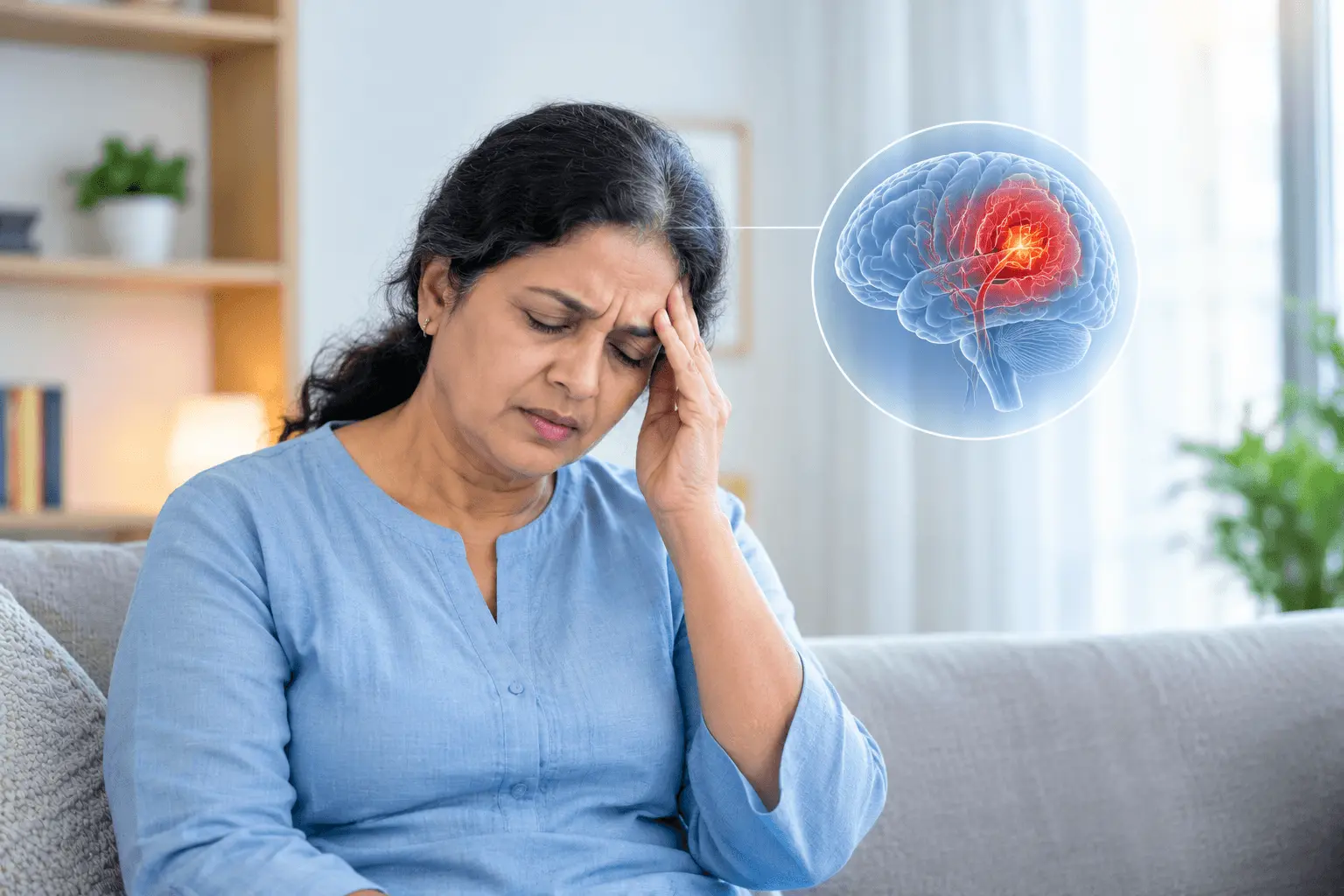
A stroke is often described as a race against time, and for good reason. Every minute that passes without treatment can mean the loss of millions of brain cells. Yet many people delay seeking help simply because they do not recognise the early signs of stroke or assume the symptoms will pass on their own.
Learning how to identify stroke symptoms quickly, in yourself or someone around you, is one of the most valuable pieces of medical knowledge a person can have. This guide explains the early warning signs, how they can differ between men and women, and exactly when to seek emergency care.
A stroke occurs when the blood supply to part of the brain is suddenly interrupted, either by a blocked artery or by bleeding inside the brain. Without oxygen and nutrients, brain cells begin to die within minutes. The earliest signs of stroke depend on which area of the brain is affected and how severe the initial damage is, which is why symptoms can look different from one person to the next.
Early symptoms of a stroke usually appear suddenly, without warning, and often affect one side of the body more than the other.
These signs typically appear abruptly rather than developing gradually, which is one of the clearest indicators that something is seriously wrong.
Medical experts widely recommend the FAST method as a simple way to identify stroke symptoms in an emergency.
Some hospitals now use an extended version called BE FAST, which also includes balance problems and sudden eye or vision changes as additional warning signs to check for.
Stroke symptoms in women can sometimes differ from the classic presentation, which unfortunately contributes to delayed diagnosis. Research shows that women are more likely to report generalised weakness, altered mental status, fatigue and loss of consciousness compared with men experiencing a stroke.
Because many of these symptoms are nonspecific, women may not immediately connect them to a stroke. One analysis found that women take significantly longer than men to seek emergency care for stroke symptoms, often because they live alone or believe the symptoms are manageable on their own.
Men more commonly present with the traditional stroke symptoms most people are familiar with.
While these patterns are common, it is important to remember that anyone, regardless of sex, can experience any combination of stroke symptoms, so no single sign should be ruled out based on gender alone.
Certain stroke symptoms appear so suddenly and severely that they should always be treated as a medical emergency.
Stroke treatment is extremely time-sensitive, and outcomes improve dramatically the sooner treatment begins. Medical guidance is consistent on this point, stating that early treatment leads to higher survival rates and lower rates of long-term disability.
Even symptoms that resolve within minutes should never be ignored, since they may indicate a transient ischemic attack, sometimes called a mini stroke, which significantly raises the risk of a full stroke in the near future.
If you suspect someone near you may be having a stroke, ask them to smile, raise both arms, and repeat a simple sentence. Watch closely for any drooping, weakness, drift or slurred speech, and note the time symptoms began. If anything seems off, do not wait for more symptoms to appear before calling for emergency help.
Recognising the early symptoms of a stroke can genuinely save a life or prevent lasting disability. From sudden facial drooping and arm weakness to more subtle signs like unusual fatigue or confusion, especially in women, being able to identify stroke symptoms quickly puts you in the best position to act fast.
If you or someone in your family has experienced any warning signs of a stroke, do not wait to get evaluated. Connect with the specialists at SP Fort Hospital for prompt stroke assessment, advanced diagnostic support and expert emergency care when every minute counts.
For expert cardiac care and timely evaluation, choose the best cardiology hospital in Kerala for comprehensive heart and stroke care.
What are the early signs of a stroke?
Early signs include sudden numbness or weakness on one side of the body, trouble speaking, vision problems, loss of balance and a sudden severe headache.
What are the first symptoms of a stroke?
The first symptoms often appear suddenly and can include facial drooping, arm weakness, slurred speech and dizziness, which is why the FAST method is used to check for them quickly.
How do stroke symptoms differ in women and men?
Women are more likely to experience fatigue, confusion, nausea and loss of consciousness, while men more often present with the classic signs of facial drooping, arm weakness and speech difficulty.
When should you seek emergency care for a stroke?
Seek emergency care immediately if you notice any FAST or BE FAST symptoms, even if they are mild or seem to resolve quickly, since fast treatment greatly improves recovery outcomes.
What should I do if someone shows signs of a stroke?
Call emergency services right away, note the time symptoms started, and keep the person calm and safe while waiting for help to arrive.
Can stroke symptoms come and go?
Yes, symptoms that appear briefly and then resolve may indicate a transient ischemic attack, which still requires urgent medical evaluation due to the high risk of a full stroke following it.

