

Loading article...
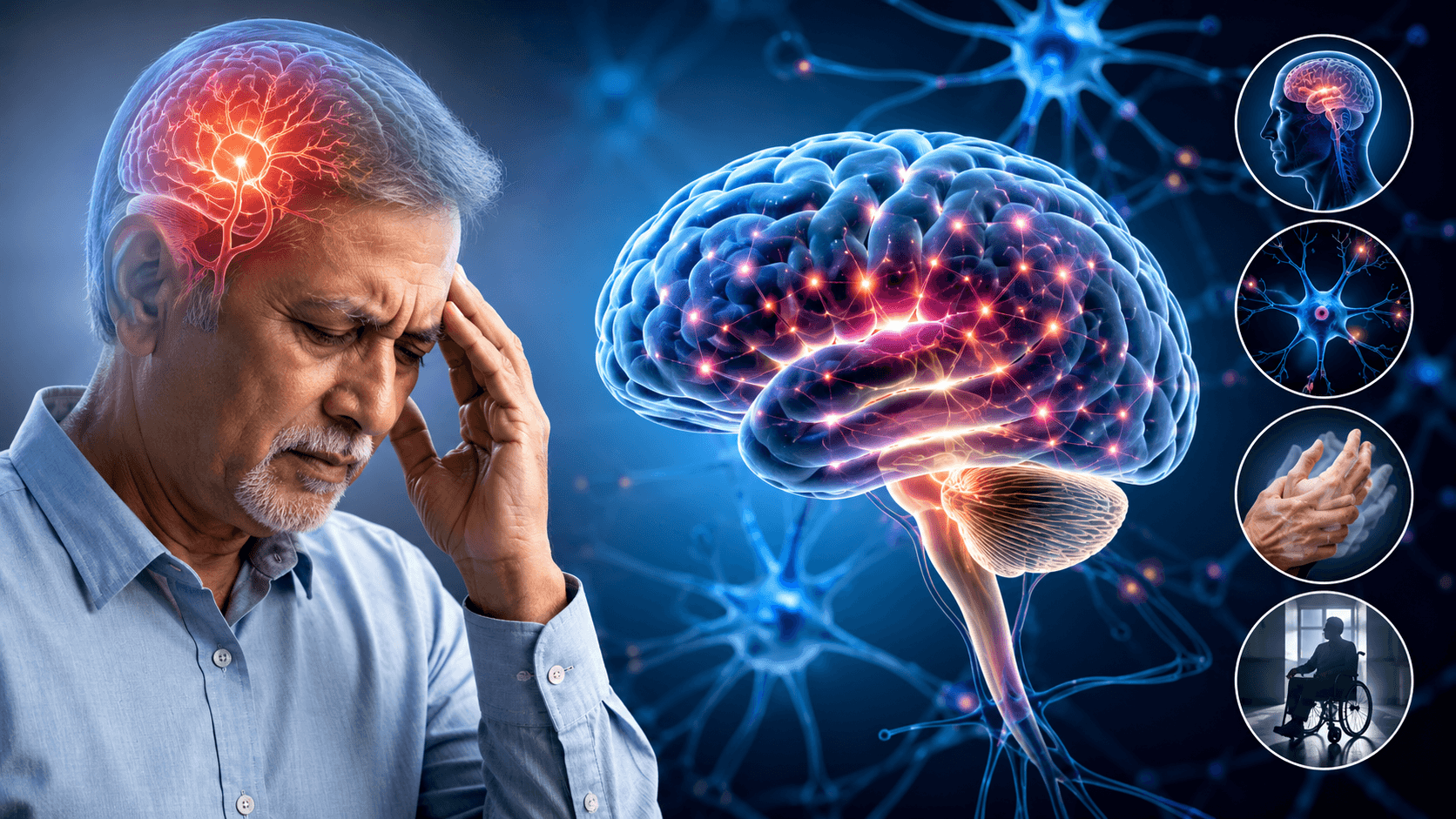
The human nervous system controls almost everything the body does, from movement and memory to breathing and emotion. When something goes wrong with the brain, spinal cord or peripheral nerves, the result is what doctors call a neurological disorder. These conditions are far more widespread than most people realise, and their impact on daily life can range from mild discomfort to permanent disability.
According to global health data, neurological disorders are the leading cause of disability and the second leading cause of death worldwide, with cases rising sharply over the past three decades due to population growth and aging. Understanding the early symptoms, causes and treatment for neurological disorders can help patients and families act quickly and avoid long term complications.
Neurological disorders are conditions that affect the brain, spinal cord, and peripheral nerves that connect the central nervous system to the rest of the body. They can be present from birth, develop gradually with age, or appear suddenly after an injury or infection.
These conditions are grouped broadly based on where they originate.
A recent global burden analysis found that neurological conditions now affect more than one third of the world's population, making them one of the biggest public health challenges of this century.
While there are hundreds of recognised neurological conditions, a handful account for the majority of cases seen by neurologists.
Migraine is a recurring headache disorder that often comes with nausea, sensitivity to light and sound, and visual disturbances known as aura. It is one of the most prevalent nervous system disorders, with global estimates placing the number of people affected close to a billion.
A stroke happens when blood flow to part of the brain is interrupted, either by a clot or a bleed. It is a medical emergency that can cause sudden weakness, slurred speech, vision loss or paralysis on one side of the body. Data from the Global Burden of Disease study shows that stroke is the single largest contributor to neurological disability and death worldwide, making fast diagnosis and treatment absolutely critical.
Epilepsy is a chronic condition marked by repeated, unprovoked seizures caused by abnormal electrical activity in the brain. Seizures can involve convulsions, brief lapses in awareness, or unusual sensations, and the condition affects people of all ages.
This progressive brain disorder mainly affects movement, causing tremors, stiffness, slowed movement and balance problems. Parkinson's disease develops when nerve cells that produce dopamine gradually break down, and it typically appears in adults over the age of 60.
Alzheimer's disease is the most common cause of dementia and is marked by progressive memory loss, confusion and difficulty with daily tasks. Research shows that cases of Alzheimer's disease and other dementias have shown a large and sustained increase over the past three decades, largely due to ageing populations.
Multiple sclerosis is an autoimmune condition where the immune system attacks the protective covering of nerve fibres, disrupting communication between the brain and body. It commonly causes fatigue, vision problems, muscle weakness and coordination difficulties.
Neuropathy refers to damage to the peripheral nerves, often caused by diabetes, infections or nutritional deficiencies. It typically presents as burning pain, tingling or numbness in the hands and feet.
Neurological disorder symptoms vary widely depending on which part of the nervous system is affected, but certain warning signs are common across many conditions.
Early symptoms of neurological disease are often subtle and easy to dismiss as stress or fatigue, which is why persistent or worsening signs should never be ignored.
There is rarely a single cause behind a neurological condition. Instead, most disorders develop through a combination of genetic, environmental and lifestyle factors.
Studies attribute a significant share of the global burden to modifiable factors, noting that high blood pressure, low birth weight and metabolic risk factors contribute meaningfully to neurological disease, which means many cases are at least partly preventable through better management of overall health.
Age plays a major role in the type and frequency of neurological conditions a person may face. Neurological disorders in adults of working age are more often linked to migraine, epilepsy or stress related conditions, while neurological disorders in elderly populations tend to centre around stroke, dementia and Parkinson's disease.
As people age, blood vessels become less flexible and brain cells naturally lose some function, which raises the risk of cerebrovascular and neurodegenerative disease. Falls, reduced mobility and slower reflexes in older adults also increase the risk of spinal cord and brain injuries. Family members should watch closely for gradual changes in memory, mood or movement, since these are frequently the earliest signs of an underlying brain and nervous system disorder in ageing relatives.
Accurate diagnosis is the foundation of effective treatment, and neurologists rely on a combination of physical examination and advanced testing.
Neurological disease treatment depends entirely on the specific condition, but most treatment plans combine medication, therapy and lifestyle changes.
Treatment is rarely a one time event. Most neurological conditions require ongoing monitoring and adjustments, which is why a strong relationship with a qualified neurologist matters as much as the initial diagnosis.
Not every headache or moment of forgetfulness requires a specialist visit, but certain symptoms call for prompt medical attention. Sudden weakness, slurred speech, loss of balance, a seizure, or a severe headache unlike any experienced before should be treated as urgent. Gradual changes such as worsening memory, tremors, chronic nerve pain or repeated dizzy spells also warrant a proper neurological evaluation rather than being brushed aside.
Neurological disorders cover a wide and complex range of conditions, but early recognition of symptoms and timely diagnosis consistently lead to better outcomes. Whether it is a persistent migraine, unexplained memory loss, or sudden weakness that raises concern, these signs deserve attention rather than delay.
If you or a loved one is experiencing symptoms that could point to a neurological condition, do not wait for them to worsen. Book a consultation with the expert neurology team at SP Fort Hospital for a thorough evaluation, accurate diagnosis and a personalised treatment plan built around your health needs.
What are the most common neurological disorders?
The most common conditions include migraine, stroke, epilepsy, Parkinson's disease, Alzheimer's disease, multiple sclerosis and peripheral neuropathy.
What are the early warning signs of a neurological disorder?
Common early signs include persistent headaches, numbness or tingling, memory lapses, tremors, seizures, and problems with speech, vision or balance.
Can neurological disorders be prevented?
Some risk can be reduced by managing blood pressure, blood sugar and cholesterol, staying physically active, avoiding head injuries and limiting alcohol use, though not all disorders are preventable.
How are neurological disorders diagnosed?
Diagnosis typically involves a physical and neurological exam along with tests such as an MRI scan, CT scan, EEG, EMG or blood work depending on the suspected condition.
When should I see a neurologist?
See a neurologist promptly for sudden weakness, slurred speech, seizures, severe or unusual headaches, or gradual worsening of memory, movement or coordination.
Is neurological disease treatment permanent?
Many neurological conditions are chronic and require ongoing management with medication, therapy and lifestyle adjustments rather than a single cure.


