

Loading article...
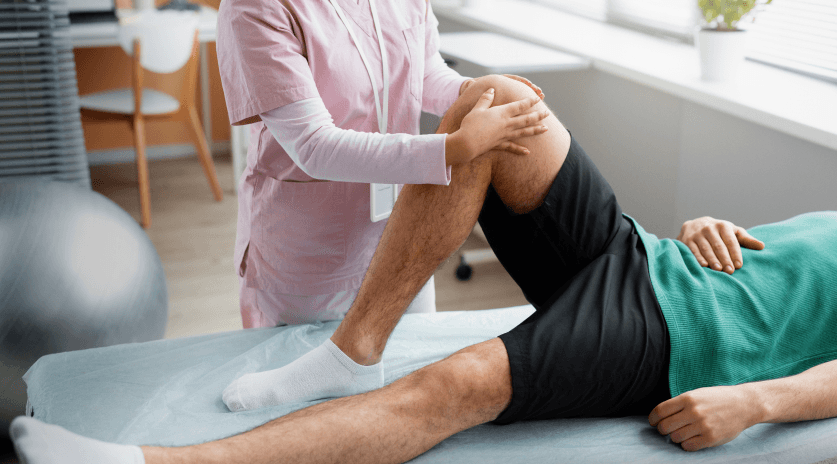
Living with chronic knee pain can limit movement, independence, and overall well-being. For many individuals, Total Knee Replacement (TKR) offers a life-changing solution—restoring mobility, reducing pain, and improving quality of life.
1. Understanding Total Knee Replacement
Total Knee Replacement, or knee arthroplasty, is a surgical procedure that replaces the worn-out or damaged surfaces of the knee joint with artificial components made from medical-grade metal and plastic. It is most often recommended for patients suffering from advanced osteoarthritis, rheumatoid arthritis, or knee deformities that cause persistent discomfort and restrict movement.
Through this procedure, surgeons aim to restore smooth joint function, allowing patients to move comfortably and resume their daily activities without pain.
2. When to Consider Surgery
Not all knee pain requires surgery. However, Total Knee Replacement may be advised when conservative treatments—such as medications, physiotherapy, and lifestyle modifications—fail to relieve symptoms.
You may be a candidate for TKR if you experience:
Early consultation with an orthopaedic specialist helps determine the best time and approach for surgery.
3. The Surgical and Recovery Process
During the procedure, the surgeon removes the damaged portions of the knee joint and replaces them with prosthetic implants precisely designed to mimic natural movement. The surgery typically lasts one to two hours and is followed by a personalized rehabilitation plan.
Postoperative physiotherapy is crucial for strengthening muscles, improving flexibility, and ensuring a smooth recovery. Most patients begin walking with support within a few days and regain near-normal mobility in a few weeks. Consistent follow-up care ensures optimal healing and long-term success.
4. Life After Knee Replacement
A successful knee replacement can provide long-lasting relief—with implants designed to function effectively for 15–20 years or more. Patients often report renewed confidence, independence, and the ability to enjoy activities that were once limited by pain. Maintaining a healthy weight, staying active, and following prescribed physiotherapy guidelines can enhance the longevity of the knee implant. Ultimately, Total Knee Replacement not only restores joint function but also brings back a sense of freedom and vitality.


